



Fiber and Textile Engineering
Application & material guidance
Fiber and Textile Engineering
Translate continuous ceramic yarn into a usable architecture. Fiber selection, weaving, braiding and finishing all influence the resulting component.
Select the grade before the structure
The continuous-fiber series varies in alumina content, stiffness and service temperature. High purity is not automatically the best choice for a flexible textile or the hottest operating condition. Use the grade-specific data and matrix or assembly requirements.
Build the textile around the application
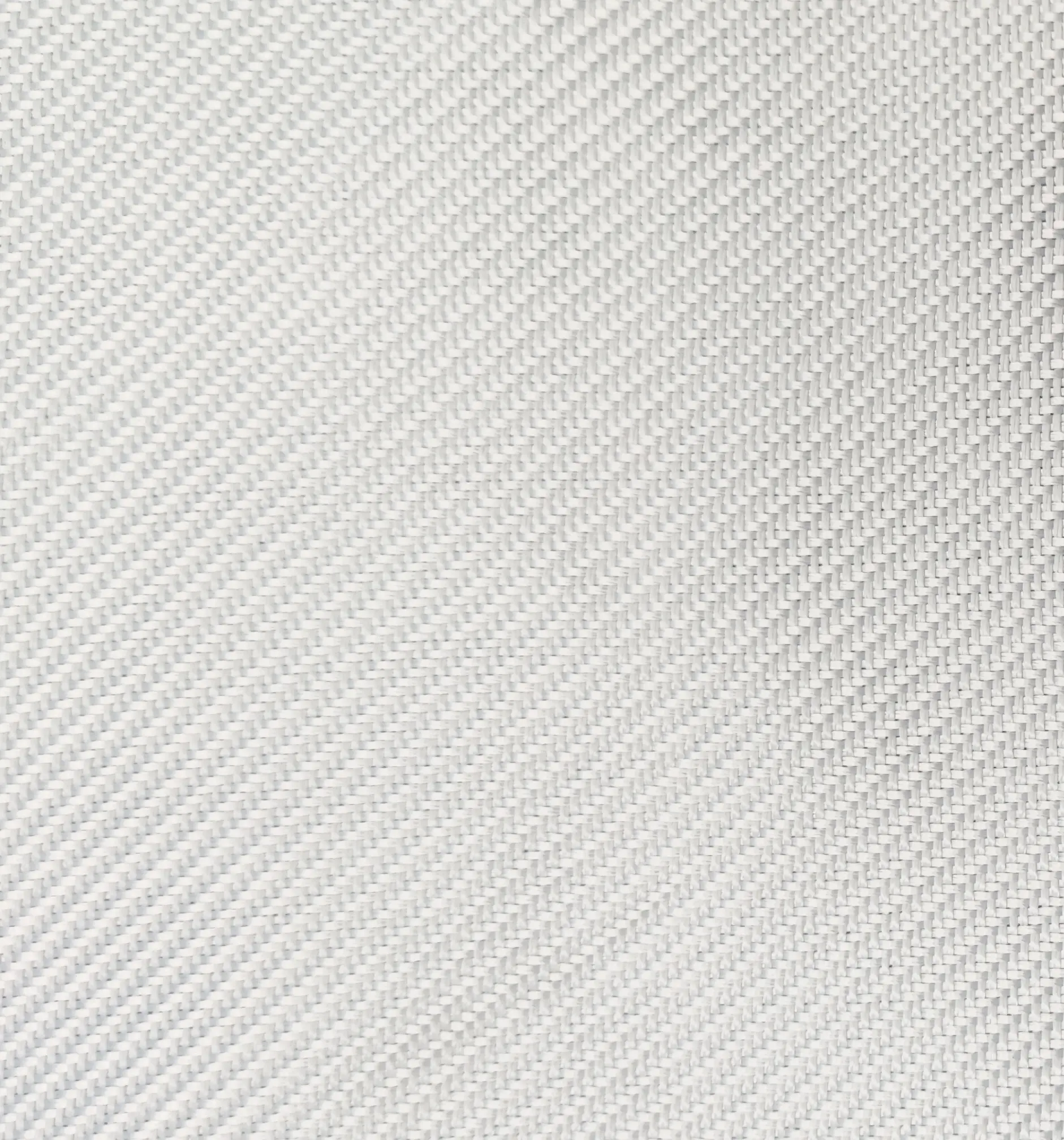
Plain, twill and satin fabrics offer different forming characteristics. Narrow tapes, braided sleeves and ropes fit edges and tubular geometry. Thread, coatings and stitching methods complete the assembly and must remain compatible with the intended temperature.
Test the fabricated article
Inspect areal weight, thickness, dimensions and reinforcement orientation. Evaluate shrinkage, seam integrity and thermal cycling on the complete construction. Yarn strength and a finished insulation assembly’s durability are different measurements.
Start a conversation
Discuss your application
Tell us your operating conditions, component dimensions and qualification requirements so we can review an appropriate material and supply format.